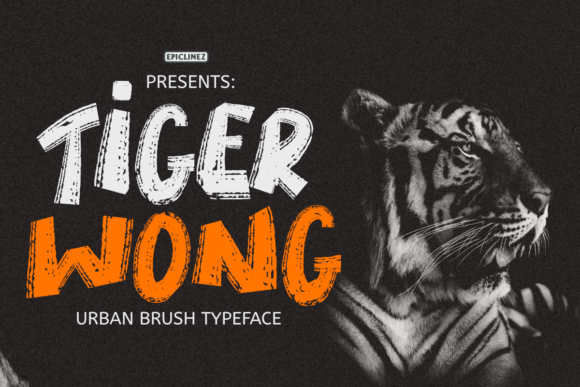
Tiger Wong
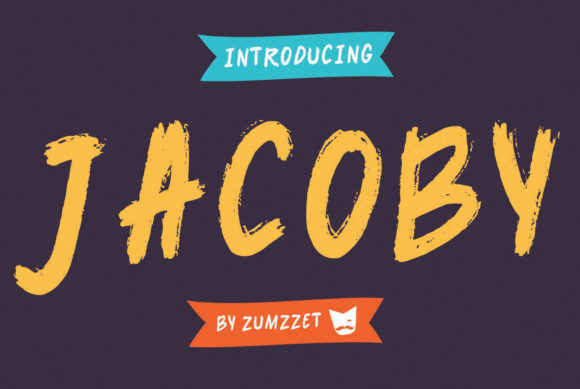
Tiger Wong is a quirky and interesting display brush font that brings a unique energy to any design project. With its powerful and thick lettering, this font stands out in both digital and print formats, making it an excellent choice for headlines, logos, branding elements, and more. Its bold strokes and dynamic feel give it a sense of strength and character, while the irregular brush-like texture adds a touch of personality and creativity.
Understanding Tiger Wong
Tiger Wong belongs to the category of display fonts, which are designed to grab attention rather than be used for long blocks of text. This makes it ideal for titles, banners, posters, and other visual elements where impact is key. The font’s brush-style appearance gives it a handcrafted feel, as if each letter was painted with a real brush, adding an artistic flair to your designs.
Its quirky nature means it works best when you want to inject some fun or uniqueness into your work. Whether you're designing a poster for a music festival, creating a logo for a new brand, or working on a social media campaign, Tiger Wong can help make your message more memorable.
When to Use Tiger Wong in Your Workflow
Tiger Wong can be integrated at various stages of your creative process. Before starting a project, consider whether the tone and style you're aiming for align with the aesthetic of Tiger Wong. It's particularly useful for projects that require a strong visual identity or a more playful and unconventional approach.
During the design phase, use Tiger Wong for headlines or main titles where you want to create an immediate visual impact. Pair it with simpler, more readable fonts for body text to maintain balance and legibility. After finalizing your design, ensure that the font scales well across different mediums and sizes, especially if it will be used for print or web.
Integrating Tiger Wong Into Your Design Process
When incorporating Tiger Wong into your workflow, start by assessing the overall design goals. If the project requires a professional look, consider using Tiger Wong sparingly—perhaps only for a logo or a tagline. For more casual or creative projects, you can use it more liberally, even as a primary font.
Compatibility is another important factor. Make sure that Tiger Wong works well with other design elements such as colors, images, and layout structures. A high-contrast background can enhance the visibility of the font, while a complementary color palette can help maintain harmony in your design.
Practical Implementation Tips
- Use it for headings: Tiger Wong is most effective when used for large, eye-catching text. Apply it to headlines, titles, and subheadings to draw attention and create visual interest.
- Pair it with sans-serif fonts: To keep your design clean and readable, pair Tiger Wong with a simple sans-serif font like Helvetica or Arial for body text.
- Test it across platforms: Ensure that Tiger Wong looks good on both desktop and mobile devices. Some brush fonts may not render consistently across all platforms, so always test your designs before finalizing them.
- Consider file formats: When exporting your design, choose vector formats like SVG or PDF if you need to maintain quality at different sizes. For web use, convert the font to web-safe formats like WOFF or TTF.
Workflow Integration and Compatibility
Tiger Wong interacts well with a variety of design tools, including Adobe Photoshop, Illustrator, InDesign, Figma, and Canva. Each platform has its own way of handling custom fonts, so familiarize yourself with how to import and use Tiger Wong within your preferred software.
For web designers, integrating Tiger Wong into a website involves embedding the font via Google Fonts or using a font-face declaration in CSS. However, since Tiger Wong is not available on Google Fonts, you'll need to download the font files and host them locally or use a third-party font service.
Long-Term Use and Efficiency
If you plan to use Tiger Wong regularly, consider organizing your font library efficiently. Create folders or tags for different categories of fonts, and keep track of where each font is stored. This helps streamline your workflow and reduces the time spent searching for the right font during a project.
Consistency is also important. If you're using Tiger Wong across multiple projects, establish guidelines for how and when it should be used. This ensures that your designs remain cohesive and aligned with your brand identity.
Real-World Use Cases
Tiger Wong is versatile enough to be used in a wide range of applications. Here are a few examples of how it can be applied in real-world scenarios:
- Branding: Use Tiger Wong for logos, business cards, and packaging to create a strong and memorable brand image.
- Marketing Materials: Incorporate it into flyers, brochures, and posters to catch the viewer's attention and convey a sense of energy and creativity.
- Social Media: Apply it to captions, hashtags, and cover photos to stand out in a crowded feed.
- Web Design: Use it for call-to-action buttons, headers, and navigation menus to guide users and enhance the user experience.
Quality Control and Best Practices
To ensure that Tiger Wong maintains its quality across different uses, always check how it renders in various contexts. Avoid using it in small text sizes where the brush texture might become too rough or difficult to read. Additionally, make sure that the font doesn't clash with other design elements such as images or background patterns.
Another best practice is to limit the number of fonts used in a single design. While Tiger Wong is visually striking, overusing it can lead to a cluttered and unprofessional look. Stick to one or two fonts per project to maintain clarity and focus.
Conclusion
Tiger Wong is more than just a font—it's a tool that can elevate your designs and add a unique personality to your creative projects. By understanding its strengths and limitations, you can integrate it seamlessly into your workflow and achieve better results. Whether you're a designer, marketer, or content creator, Tiger Wong offers a fresh and engaging way to express your ideas and connect with your audience.