Retro Wave: A Joyful Font for Modern Creativity
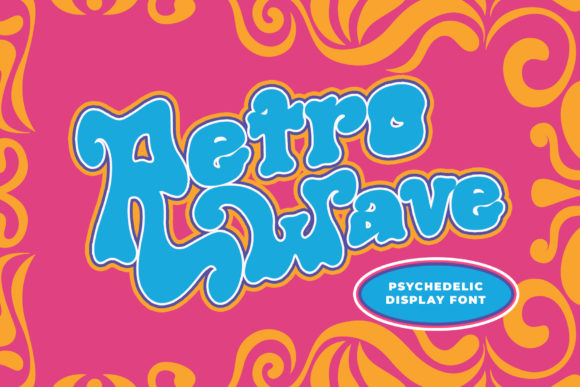
Fonts are more than just letters on a page—they’re the silent storytellers of design. Among the many styles available, Retro Wave stands out with its bubbly, hippy aesthetic that brings a sense of fun and nostalgia to any project. Whether you're designing a logo, crafting social media content, or creating promotional materials, Retro Wave offers a unique blend of retro charm and modern usability.
The Origin and Style of Retro Wave
Retro Wave draws inspiration from the vibrant counterculture movements of the 60s and 70s. Its playful curves and whimsical shapes evoke the spirit of tie-dye, peace signs, and psychedelic art. This font is designed to be both eye-catching and approachable, making it ideal for projects that aim to convey joy, freedom, and creativity.
What makes Retro Wave particularly special is its balance between boldness and readability. It doesn't sacrifice legibility for style, which is a rare trait in fonts that lean heavily into retro aesthetics. This ensures that even when used in larger sizes or for headlines, the message remains clear and impactful.
Where Can You Use Retro Wave?
Retro Wave is incredibly versatile and can be used across a wide range of applications. Here are some common use cases:
- Branding and Logos: Perfect for businesses looking to create a nostalgic or youthful brand identity. Think boutiques, music festivals, or wellness centers.
- Social Media Graphics: The font’s lively nature makes it great for Instagram posts, Facebook banners, or Twitter headers that want to stand out in a sea of content.
- Event Invitations: Whether it's a summer festival or a retro-themed party, Retro Wave adds an extra layer of personality to invitations and event posters.
- Print Materials: From flyers to t-shirts, this font works well in print as long as the size and contrast are appropriate for the medium.
- Web Design: Used sparingly in web headers, buttons, or call-to-action sections, Retro Wave can add a touch of character without overwhelming the user experience.
Who Benefits Most from Retro Wave?
While Retro Wave is appealing to many, certain groups may find it especially useful:
- Creative Professionals: Graphic designers, illustrators, and typographers who appreciate unique typography can use Retro Wave to differentiate their work.
- Small Business Owners: Entrepreneurs in industries like fashion, food, or entertainment often need a font that reflects their brand's personality—something Retro Wave provides effortlessly.
- Content Creators: Bloggers, YouTubers, and influencers looking to build a distinct visual identity might find this font perfect for their titles and thumbnails.
- Educational Institutions: Schools or programs focused on art, music, or history could use Retro Wave to reinforce themes of creativity and past eras.
Strengths and Considerations
One of the greatest strengths of Retro Wave is its ability to evoke emotion. The font's design feels warm and inviting, which can help connect with audiences on a personal level. It also has a broad character set, supporting multiple languages and special symbols, which increases its usability for global projects.
However, there are a few considerations to keep in mind. Since Retro Wave has a distinctive look, it may not be suitable for all types of content. For example, it might be too informal for legal documents or financial reports. Additionally, because of its stylized nature, it should be used carefully in digital formats where screen resolution can affect legibility.
Another point to consider is that while Retro Wave is visually engaging, it may not be the best choice for long blocks of text. Using it for body copy could lead to readability issues, so it's best reserved for headings, titles, or short phrases.
Real-World Applications of Retro Wave
Let's take a look at how Retro Wave can be applied in real-life scenarios:
Case Study 1: Music Festival Poster
A local music festival wanted to promote their event with a poster that stood out. They used Retro Wave for the main title, "Summer Sounds," and paired it with a vintage background. The result was a poster that felt authentic and exciting, attracting a younger audience.
Case Study 2: Cafe Logo Design
A new coffee shop wanted a logo that reflected its laid-back, community-focused vibe. They opted for Retro Wave in their logo, which gave the brand a friendly and approachable feel. Customers immediately associated the logo with positivity and relaxation.
Case Study 3: Social Media Campaign
An online boutique launched a campaign promoting their new collection of vintage-inspired clothing. They used Retro Wave in their social media captions and hashtags, which helped them stand out in a crowded feed and boosted engagement significantly.
Evaluating Retro Wave for Your Project
If you're considering using Retro Wave, ask yourself these questions:
- Does my project benefit from a playful or nostalgic tone?
- Will the font be used for short text or longer passages?
- Is the target audience likely to respond positively to a retro-styled font?
- Are there other fonts that might better suit the overall design or message?
By answering these questions, you can determine whether Retro Wave is the right fit for your needs. It's always a good idea to test the font in different contexts before finalizing your design choices.
Conclusion
Retro Wave is more than just a display font—it's a tool that can bring energy, emotion, and a sense of nostalgia to your designs. Whether you're a professional designer or someone experimenting with typography for the first time, this font offers a unique opportunity to express creativity in a way that feels both fresh and familiar.
Remember, the key to using Retro Wave effectively is to understand its strengths and limitations. When used thoughtfully, it can enhance your visuals and help you connect with your audience in meaningful ways.