Paper Plane Font: A Playful Twist for Modern Design
When you think of fonts, you might imagine something serious—like a classic serif or a sleek sans-serif. But what if your design needed a little more character? Enter Paper Plane, a fun and quirky display font that brings a fresh, modern energy to any project. This urban-styled font is more than just a visual treat; it's a versatile tool that can elevate your designs in unexpected ways.
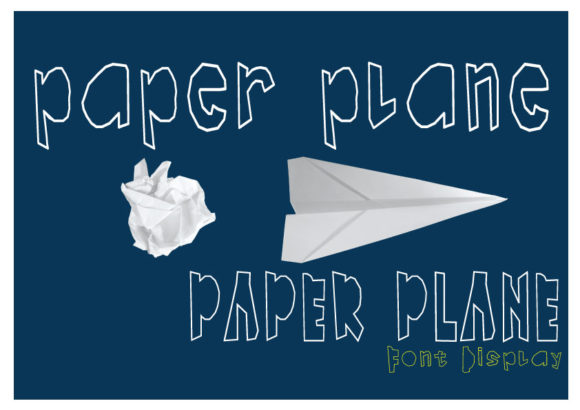
Paper Plane is designed with bold, angular strokes and a slightly hand-drawn feel that mimics the look of a real paper airplane in flight. It’s not just about aesthetics—it’s about making a statement. Whether you're working on branding, packaging, or digital content, this font has the power to capture attention and leave a lasting impression.
Real-World Uses for Paper Plane Font
Let’s explore some practical scenarios where Paper Plane could be a game-changer:
- Branding and Logos: If you're launching a new brand that wants to stand out, consider using Paper Plane in your logo. Its playful yet modern style works well for creative agencies, lifestyle brands, or anything aiming to feel approachable and innovative.
- Event Invitations: Think about a music festival or a pop-up art show. Using Paper Plane in your event invites can make them feel more dynamic and engaging. The font’s movement suggests action, which aligns perfectly with the excitement of an event.
- Product Packaging: For products that target younger audiences or those looking for a unique twist, Paper Plane can add personality to your packaging. It’s especially effective for items like stationery, toys, or novelty goods.
- Digital Content: From social media posts to website headers, Paper Plane adds a touch of flair without overwhelming the viewer. It works well for headlines, call-to-action buttons, or even as a subtle accent in a larger design.
Who Benefits from Paper Plane?
The beauty of Paper Plane lies in its adaptability. Different users may find different applications depending on their needs:
- Designers: Graphic designers often need a font that can break the mold. Paper Plane offers that opportunity, allowing them to inject a sense of motion and playfulness into otherwise traditional projects.
- Marketers: Marketers looking to create memorable campaigns will appreciate how Paper Plane can help differentiate their message from the competition. It’s ideal for campaigns targeting creative or adventurous demographics.
- Entrepreneurs: Startups and small businesses can use Paper Plane to build a brand identity that feels fresh and forward-thinking. It’s a great choice for businesses in the tech, fashion, or entertainment industries.
- Educators: Teachers or educational content creators might find Paper Plane useful for materials aimed at children or young adults. The font’s friendly and energetic vibe can make learning more engaging.
Considerations Before Using Paper Plane
While Paper Plane is a powerful asset, there are a few things to keep in mind before incorporating it into your design:
- Legibility: Although Paper Plane is visually striking, it’s important to ensure that it remains readable. Use it for headlines or short phrases rather than long paragraphs. Pair it with a more traditional font for body text to maintain clarity.
- Context Matters: Not every project calls for a whimsical font. Consider the tone and purpose of your design. Paper Plane is best suited for projects that benefit from a sense of movement, creativity, or fun.
- Color and Contrast: To make Paper Plane stand out, choose colors that complement its bold lines. High contrast between the font and background will enhance visibility and impact.
- License and Usage: Always check the licensing agreement for Paper Plane to ensure that you’re allowed to use it for your intended purpose. Some fonts have restrictions on commercial use or require attribution.
Why Paper Plane Stands Out
In a world filled with countless fonts, Paper Plane manages to carve out a unique space. Its ability to convey both motion and emotion makes it a standout choice for designers who want to push boundaries. Unlike many other display fonts that lean too heavily into one direction (either too playful or too formal), Paper Plane strikes a balance that feels contemporary and relatable.
Another advantage is its scalability. Whether you're designing a simple poster or a complex website, Paper Plane adapts well to various sizes and formats. It maintains its character whether it's used in a large headline or a smaller subheading.
Limitations and When to Avoid Paper Plane
No font is perfect for every situation. While Paper Plane is highly versatile, there are times when it might not be the best fit:
- Formal Documents: In legal, academic, or official documents, Paper Plane may come across as too casual. Reserve it for more informal or creative contexts.
- Small Text Sizes: As mentioned earlier, legibility is key. Using Paper Plane in very small text sizes can make it difficult to read, especially for people with visual impairments.
- Overuse: Like any design element, moderation is important. Overusing Paper Plane can lead to a cluttered or unprofessional appearance. Use it sparingly to maintain focus and impact.
Despite these limitations, Paper Plane remains a valuable addition to any designer’s toolkit. With thoughtful application, it can transform ordinary designs into something truly memorable. Whether you're creating a brand identity, promotional material, or digital content, Paper Plane offers a fresh perspective that can help your work stand out in a crowded marketplace.