Hermine: A Strategic Tool for Creative Expression and Branding
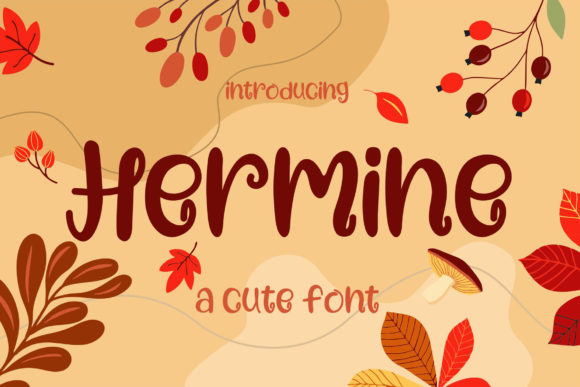
Hermine is a fun display font with cute elements that can elevate your creative projects from ordinary to extraordinary. This eye-catching font is designed to capture attention while maintaining readability, making it an excellent choice for various design applications. Whether you're working on branding materials, wedding invitations, or product labels, Hermine offers a unique visual identity that can help your message stand out in a crowded marketplace.
Why Hermine Is a Strategic Choice for Designers and Marketers
In today's competitive landscape, standing out is more important than ever. Hermine provides a distinctive look that can be strategically used to enhance your brand's personality and appeal. Its playful yet elegant style makes it suitable for a wide range of industries, from lifestyle and fashion to food and entertainment.
For marketers and entrepreneurs, using Hermine can be a powerful way to differentiate your brand from competitors. It adds a touch of personality and charm that can resonate with your target audience, especially when targeting younger demographics or niche markets that value creativity and individuality.
Key Benefits of Using Hermine in Your Projects
- Attention-grabbing visuals: The cute elements in Hermine make it ideal for headings, logos, and other focal points where you want to draw the viewer's eye.
- Versatility: From wedding designs to business branding, Hermine adapts well to different contexts and styles.
- Enhanced readability: Despite its playful nature, Hermine maintains clarity, ensuring that your message remains easy to understand.
- Consistent branding: When used consistently across all marketing materials, Hermine can reinforce brand recognition and build a cohesive visual identity.
These benefits highlight why Hermine is not just a font but a strategic asset that can support your long-term goals and positioning in the market.
When and How to Use Hermine Effectively
Understanding when to use Hermine is crucial to maximizing its impact. It is best suited for short, impactful text such as headlines, titles, and taglines. Its playful nature may not be appropriate for long blocks of body text, where legibility is paramount.
Consider using Hermine in the following scenarios:
- Branding materials: Logos, business cards, and packaging can benefit from the unique charm of Hermine.
- Wedding and event designs: Invitations, programs, and signage often require a touch of elegance and playfulness that Hermine provides.
- Marketing campaigns: Social media posts, banners, and promotional materials can use Hermine to create a memorable visual impression.
- Personalized signatures: Adding Hermine to your email signature or website can make a lasting first impression.
To ensure that Hermine works well in your design, consider the context and audience. For example, if you're targeting a professional audience, you might pair Hermine with a more traditional font for body text to maintain a balance between creativity and professionalism.
Strategic Planning Tips for Using Hermine
Before incorporating Hermine into your design projects, take time to plan how it will be used. Consider the following questions:
- What is the primary goal of this project? Does Hermine align with that goal?
- Who is the target audience? Will they find Hermine appealing or distracting?
- How does Hermine fit within the overall brand identity? Is it consistent with other visual elements?
- Are there any potential risks or challenges associated with using Hermine in this context?
By addressing these questions upfront, you can make informed decisions that lead to better results and avoid common pitfalls.
Potential Risks and Considerations
While Hermine offers many advantages, it's important to recognize that it may not be suitable for every situation. Overusing it or applying it inappropriately can lead to negative outcomes, such as decreased readability or confusion about your brand's message.
One risk is using Hermine in contexts where a more formal or professional tone is required. For instance, legal documents, academic papers, or corporate reports typically demand fonts that convey seriousness and credibility. In these cases, opting for a more conventional font would be more appropriate.
Another consideration is ensuring that Hermine is used consistently across all platforms. Inconsistent use can dilute your brand's identity and create a disjointed experience for your audience. Establish clear guidelines for when and how to use Hermine so that it becomes an integral part of your visual strategy.
Practical Examples of Hermine in Action
Let's explore some real-world examples of how Hermine can be effectively used in different contexts:
- Branding: A boutique clothing store could use Hermine in their logo and storefront signage to create a youthful, approachable image that appeals to younger customers.
- Wedding invitations: Hermine can add a whimsical touch to wedding invitations, making them feel more personal and special.
- Social media posts: A bakery might use Hermine in their Instagram captions or post headers to create a friendly and inviting atmosphere.
- Product packaging: A toy company could incorporate Hermine into their product labels to attract children and parents alike with its playful aesthetic.
These examples demonstrate how Hermine can be tailored to meet specific needs and objectives, reinforcing its value as a versatile and strategic design tool.
Conclusion: Making Informed Decisions with Hermine
Hermine is more than just a font; it's a strategic element that can enhance your creative projects and support your branding efforts. By understanding its strengths and limitations, you can use it intentionally to achieve better results and create a stronger connection with your audience.
Whether you're an entrepreneur looking to build a unique brand or a designer aiming to create visually compelling content, Hermine offers a valuable resource that can help you stand out in a competitive market. With careful planning and thoughtful application, Hermine can become an essential part of your creative toolkit.