Desire Font: A Modern and Bubbly Display Font for Versatile Use
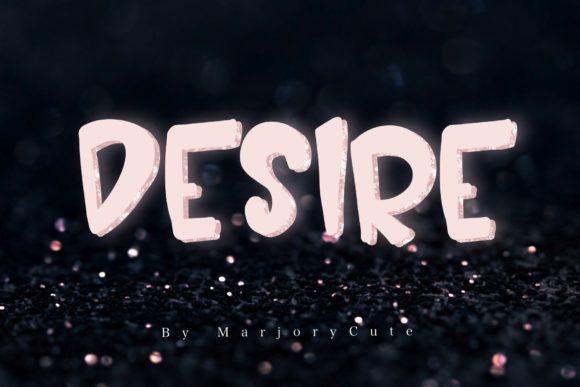
The Desire font is a modern, bubbly display font that has gained attention for its playful yet professional aesthetic. Designed to be versatile, it fits into a wide range of contexts, making it a popular choice among designers and content creators. Whether you're crafting digital marketing materials, branding assets, or creative projects, Desire offers a unique visual appeal that can enhance your message.
What Is the Desire Font?
The Desire font is a display typeface characterized by its rounded, soft edges and cheerful appearance. It blends elements of sans-serif and script styles, giving it a friendly and approachable feel. This font is ideal for headings, logos, advertisements, and other design elements where a more expressive and eye-catching typeface is needed.
Its bubbly style makes it stand out from traditional fonts, offering a fresh alternative for those looking to add personality to their designs. The font's structure ensures readability while maintaining an engaging visual presence.
Why You Might Be Interested in Desire
If you're searching for a font that balances fun with functionality, Desire could be an appealing option. Its versatility allows it to be used across various platforms, including print, web, and digital media. Designers often choose it when they want to evoke a sense of energy, optimism, or creativity in their work.
Additionally, the font's modern design aligns well with current trends in typography, making it suitable for contemporary branding efforts. Its adaptability means it can fit into both casual and more formal settings, depending on how it's applied.
Benefits of Using the Desire Font
- Versatility: Desire works well in multiple contexts, from headlines to social media posts.
- Visual Appeal: The bubbly, rounded characters create a friendly and inviting look.
- Modern Aesthetic: Its design reflects current typographic trends, helping maintain a contemporary feel.
- Readability: Despite its playful nature, the font remains legible at various sizes.
Potential Tradeoffs and Considerations
While the Desire font has many strengths, there are also some factors to consider before using it in your project. One key consideration is contextual appropriateness. Because of its bubbly and lively style, it may not be the best choice for highly formal or technical documents where a more traditional font would be more suitable.
Another factor is typographic balance. While Desire is excellent for headings and short text, it may not be ideal for long-form content such as paragraphs or body text. In these cases, pairing it with a complementary serif or sans-serif font can help maintain readability and visual harmony.
Situations Where Desire Is a Strong Fit
The Desire font excels in situations where a bold, expressive typeface is desired. Some common use cases include:
- Headlines and Titles: Its dynamic appearance makes it perfect for grabbing attention in articles, blogs, or marketing campaigns.
- Logos and Branding: The font's modern and friendly vibe can align well with brands aiming to convey approachability and innovation.
- Digital Media: Social media graphics, website banners, and promotional materials benefit from the font's eye-catching design.
- Creative Projects: From invitations to children’s books, Desire adds a touch of charm and playfulness.
When Alternatives May Be Worth Considering
Despite its versatility, there are instances where other fonts might be more appropriate. For example, if your project requires a more serious tone—such as legal documents, academic papers, or corporate reports—a traditional serif or clean sans-serif font would likely be more effective.
Additionally, if your design involves large amounts of body text, using Desire for extended passages could lead to fatigue or decreased readability. In such cases, opting for a font designed for long reading sessions, like Arial or Georgia, would be more practical.
Practical Insights for Choosing Desire
Before deciding to use the Desire font, consider the following questions:
- What is the purpose of your design? If it's meant to capture attention or express creativity, Desire is a strong candidate.
- Who is your audience? If your target audience prefers a more casual or youthful brand image, this font could resonate well.
- What is the context of use? Ensure the font complements the overall design and doesn't clash with other visual elements.
- Are there any accessibility concerns? Test the font's legibility across different devices and screen sizes to ensure it meets accessibility standards.
By evaluating these factors, you can make a more informed decision about whether the Desire font aligns with your specific needs and goals.
In conclusion, the Desire font offers a modern, bubbly, and versatile option for designers seeking to add a touch of personality to their work. While it may not be suitable for every situation, its ability to convey energy and creativity makes it a valuable addition to any designer's toolkit. As with any font selection, careful consideration of context, audience, and purpose will help ensure it serves your design effectively.